


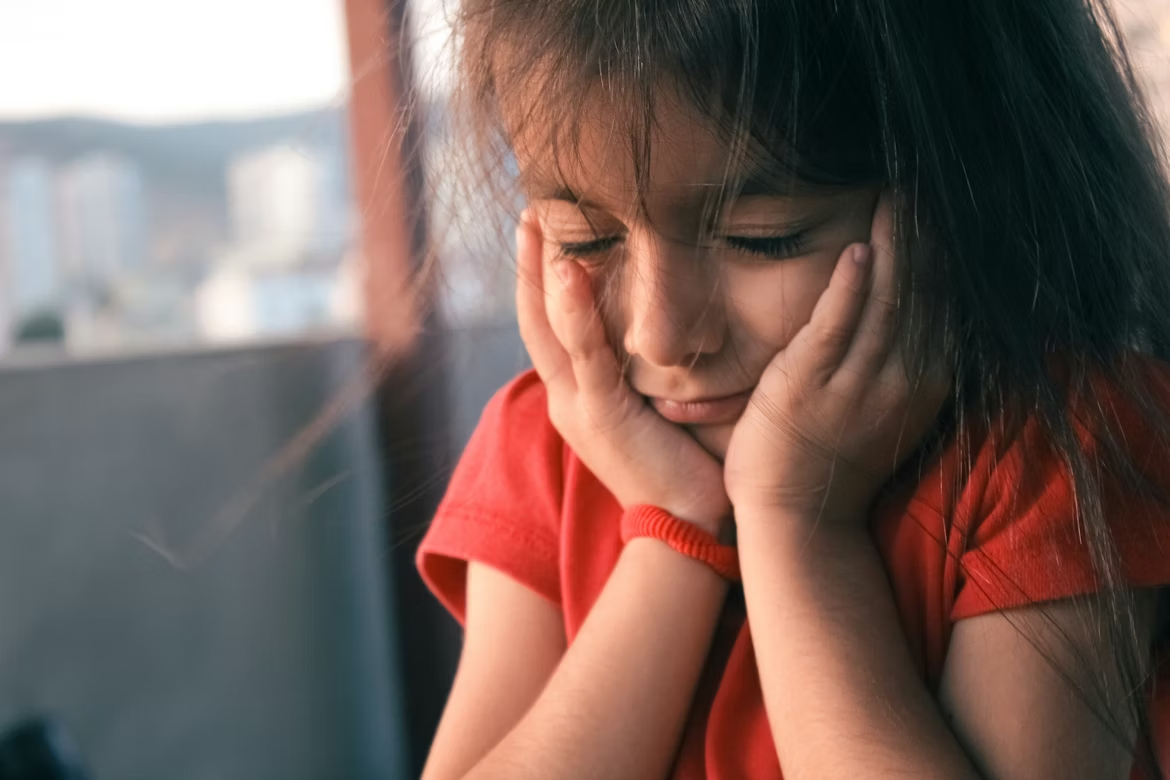
The process of watching a child develop brings parents an extraordinary experience because they witness first steps and first words and multiple moments when the child learns new things. A child’s entire well-being development depends on various factors: physical, emotional, and social milestones. The key skills that children develop must be nurtured properly, and parents must keep learning to encourage their children.
The emotional development of people who interact with children creates long-term advantages for those who receive this particular support. Melbourne children’s psychology experts offer effective strategies to Australian families that help their children become self-assured, compassionate, and strong individuals in the community.
Children who get the opportunities for emotional and social development can handle the crises and develop healthy relationships with other members of society.
Understanding Emotional Development
Emotional development describes how children gain skills to understand and show their feelings while they learn to control their emotional responses. Daily life for children begins with their first emotional experience when a toddler sees his broken toy and extends to school-aged children who practice sharing their things with friends. Children can develop their emotional skills through various activities.
The activities help observe students’ emotional responses while they provide support to students who experience difficult moments. The students will be engaged in educational activities such as emotion charades and storytelling performances. The parents and caretakers must be aware that the children learn and develop skills and emotional responses at their own pace.
Encouraging Social Skills
Social development includes the acquisition of skills necessary for interacting and getting along with other people. A child can develop cooperation skills through play dates and team games. A child can also develop cooperation skills through collaborative art projects. Role-playing exercises can be conducted for the participants in order to develop social cues and problem-solving skills. The process of positive social interaction recognition, together with gentle misunderstanding correction, helps develop confidence and social skills in children.
The Role of Play in Growth
Playtime is essential for children’s development because it enables them to acquire fundamental emotional and social skills that they need for their essential growth. Through pretend play, children express their feelings while developing their social skills through different ways of seeing things. The child will develop the necessary patience and leadership skills through the play activities because they will have to cooperate with other team members.
The child also learns better through the involvement of the parent in activities with the child, through the parent asking open-ended questions, and through the parent encouraging the child to think about what they have experienced. The child also learns better through sharing experiences with others during playtime.
When to Seek Professional Support
Children face difficulties when they have to control their feelings and build social connections. The signs that indicate a need for extra assistance include ongoing anxiety problems and friendship formation difficulties and severe emotional outbursts.
Melbourne children’s psychology specialists deliver evaluation and treatment services through their use of scientific treatment methods, which meet the individual needs of each child. The early assistance program helps families by providing them with successful home activities that will help their child develop while preventing future difficulties.
Creating a Supportive Environment
The process of healthy development begins with a supportive home and school environment. Children experience security and understanding through open communication, steady daily schedules and positive feedback methods. Children can show their feelings through artistic activities, musical experiences and journal writing. The caregivers who teach children to show empathy and respect and understand others will help children develop both their emotional intelligence and their social confidence.
Support Your Children Today
The process of assisting children in their development in emotional and social ways is a continuous process, and this requires both loving and guiding, along with effective methods. Two ways exist in assisting children, and these include play and guidance by professionals. The latter provides essential resources that enable children to receive custom emotional and social development support. The development of essential skills at this time will enable children to create a more promising and self-assured future!
