


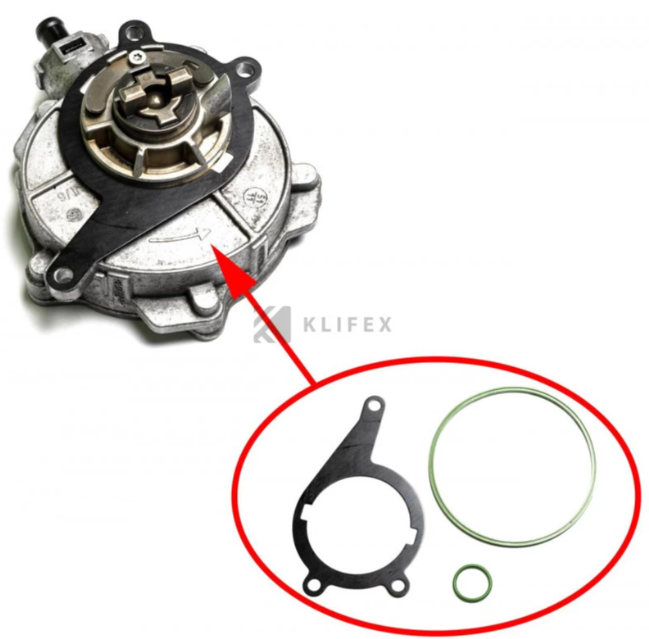
A car that suddenly idles roughly, hesitates during acceleration, or feels less responsive can leave a driver wondering whether the problem is serious. While several systems can cause these symptoms, the vehicle’s vacuum system is one area worth considering. Small leaks or damaged components can affect how the engine manages air, fuel, and related controls.
Understanding the role of vacuum does not mean every driver needs to become a mechanic. It simply makes it easier to recognize unusual behavior, avoid unnecessary part replacements, and know when a professional inspection is appropriate.
What Does a Vehicle Vacuum System Do?
In many gasoline-powered vehicles, engine vacuum is created by pressure differences within the intake system. That vacuum can be used to operate or assist various components, depending on the vehicle’s design.
Airflow and Engine Operation
A healthy intake system of https://klifex.com/vacuum-pump-repair-kits/ needs controlled airflow. If an unwanted opening develops in a vacuum hose, connection, gasket, or related component, additional air may enter the system without being properly accounted for by the engine-management system.
The result can vary by vehicle, but drivers may notice rough idling, hesitation, inconsistent engine behavior, or reduced drivability. Modern vehicles use sensors and electronic controls to manage engine operation, so a vacuum-related fault can also contribute to warning lights or diagnostic trouble codes.
How Vacuum Problems Can Affect Driving
The easiest way to understand the issue is to connect a possible fault with what a driver actually experiences.
Rough or unstable idle: An air leak can become especially noticeable when the engine is operating at low speed, causing the idle to fluctuate or feel uneven.
Hesitation during acceleration: If airflow calculations and actual airflow do not match, the engine may not respond as smoothly as expected when the driver presses the accelerator.
Reduced efficiency: An engine that is not receiving the expected air-fuel balance may operate less efficiently. However, poor fuel economy has many possible causes, so it should not automatically be attributed to a vacuum leak.
Unusual noises: A damaged hose or connection may produce a faint hissing sound. The location and severity of the sound can provide useful clues, but noise alone is not enough to identify the fault.
What to Check Before Replacing Parts
When troubleshooting begins, replacing the first component that looks suspicious can create unnecessary expense. A more useful approach is to inspect the system methodically.
Start with visible hoses and connections. Look for cracks, loose fittings, deterioration, or disconnected lines. Then consider whether the symptoms occur only at idle, during acceleration, after the engine warms up, or under particular driving conditions.
For repairs involving small seals, fittings, hoses, or other service components, having appropriate replacement equipment available can make the process more organized. For example, resources such as vacuum pump repair kits can be relevant when a particular repair requires compatible components rather than an improvised replacement.
Match the Repair to the Diagnosis
A common mistake is assuming that a symptom automatically identifies the failed component. A rough idle, for example, does not prove that a vacuum hose is responsible.
Where appropriate, technicians can use diagnostic equipment and suitable testing procedures to confirm whether the system is holding vacuum and where a leak or malfunction may be occurring. The exact method depends on the vehicle and component being tested.
When a Repair Requires More Than a Visual Inspection
Some faults are easy to spot. Others are hidden behind engine components or involve parts that appear intact but fail under operating conditions.
This is where a structured diagnostic approach becomes valuable. If basic inspection does not reveal the cause, a technician may need to test individual circuits or components rather than continuing to replace parts based on guesswork.
Drivers should also follow the vehicle manufacturer’s service information because vacuum routing, components, and diagnostic procedures differ between models. What applies to one engine may not apply to another.
Final Thoughts
Vacuum systems may not receive as much attention as oil, brakes, or tires, but they can influence how a vehicle behaves and how smoothly its engine operates. The practical lesson for drivers is simple: treat changes in idle quality, acceleration, noises, or warning lights as signals worth investigating rather than immediately assuming a specific part has failed. A careful inspection followed by targeted testing can help distinguish a minor vacuum-related issue from a more complex mechanical or electronic problem. Knowing that difference can save time, prevent unnecessary replacements, and make conversations with a repair professional more productive.
