


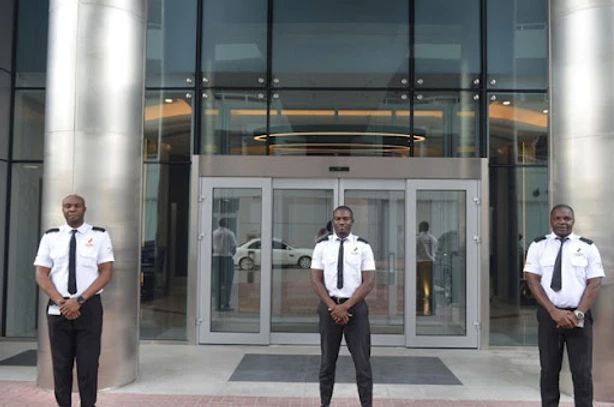
Hotels remain active throughout every hour. Guests sleep, dine, arrive, and depart continuously. Because activity never fully stops, safety concerns require close attention. Risks become greater when protection equipment needs repairs. During those periods, staff need dependable oversight. That need explains the value of professional hotel fire watch services.
A lodging property contains varied spaces. Guest rooms sit near service corridors. Restaurants operate near storage sections. Utility areas contain wiring and equipment. Each location presents different concerns. As occupancy continues, hazards can develop unexpectedly. For that reason, trained personnel remain important whenever normal systems become unavailable.
Occupancy Changes the Safety Equation
An occupied building creates unique responsibilities. Visitors rarely know emergency routes well. New arrivals may not recognize alarm signals. Families often remain asleep during overnight hours.
Because of those factors, quick guidance becomes essential. Trained guards understand floor layouts thoroughly. They know stairwell locations and access points. Their familiarity helps occupants receive direction without confusion. A clear response often prevents panic from spreading.
Constant Observation Catches Early Warning Signs
Small concerns rarely appear dramatic initially. Still, minor issues can grow rapidly. A strange odor may signal trouble. Warm electrical components may indicate developing problems.
During scheduled patrols, guards watch carefully for conditions requiring attention.
Common observations include:
- Obstructed exit pathways
- Unusual smoke traces
- Faulty electrical equipment
- Unsafe material placement
Each finding carries practical value. Early detection creates valuable response time. As a result, property managers gain another layer of protection.
Why Human Presence Still Matters
Technology serves an important purpose. However, equipment cannot interpret circumstances fully. People notice details differently. They recognize patterns, behavior changes, and unusual activity.
For example, a maintenance contractor may store items improperly. A detector might not identify that concern. A trained observer likely would. In busy hospitality environments, hotel fire watch personnel provide awareness extending beyond automated monitoring.
Their role involves judgment as well. Conditions change throughout a property daily. Crowded banquet areas require different attention than vacant meeting rooms. Human assessment helps address those changing circumstances.
Emergency Response Requires Immediate Action
Every minute carries importance during an incident. Delays can increase uncertainty quickly. Therefore, rapid communication remains essential.
Fire watch personnel often assist through actions such as:
- Contacting responders promptly
- Directing guests toward exits
- Sharing accurate location information
Those responsibilities help maintain order. Large properties contain multiple floors and access routes. Visitors depend upon clear instructions during stressful situations. Trained professionals help deliver that guidance.
Compliance Protects Operations and Reputation
Repair work cannot always wait. Fire protection equipment occasionally requires service. Yet hotels must continue operating safely.
Property owners therefore rely upon temporary monitoring measures. These efforts help satisfy safety obligations while corrective work continues. At the same time, guest confidence remains protected.
Travelers expect secure accommodations. Visible precautions reinforce trust. Strong safety practices also demonstrate responsible management. That perception influences reputation long after maintenance activities end.
Protection Often Happens Quietly
The greatest benefit sometimes appears unnoticed. A blocked stairwell cleared early may prevent complications. Improper storage corrected promptly may remove unnecessary danger. Guests never see those moments. Nevertheless, their safety depends upon them.
Effective fire watch services contribute through awareness, judgment, and timely action. Those qualities matter because occupied hotels present unique challenges every day.
FAQs
Why do hotels need fire watch guards?
Hotels remain occupied around the clock. When protection systems need repairs, trained guards help maintain safety through active monitoring and rapid response.
What do fire watch guards look for?
They check for smoke, unsafe storage, blocked exits, electrical concerns, and other conditions requiring immediate attention.
Can fire watch guards replace alarm systems?
No. Their role provides temporary protection when equipment remains unavailable or under maintenance.
How do guards assist during emergencies?
They notify responders, guide occupants, share critical information, and help maintain orderly evacuation efforts.
