


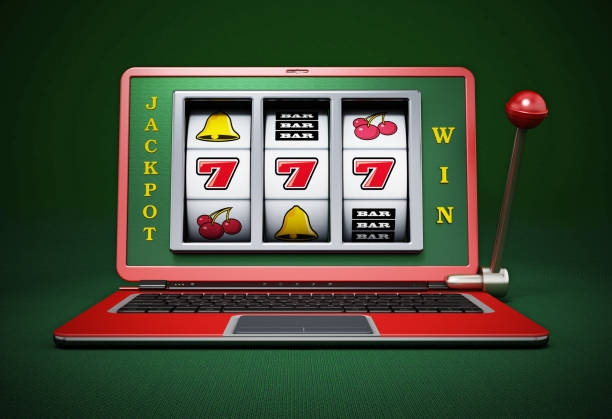
Online slot games rely heavily on visual presentation to communicate action, theme, and progress.
Reel motion, animated symbols, lighting effects, character reactions, and screen transitions can turn a simple grid of icons into a lively digital experience. These elements do more than add decoration.
They help players follow events, recognize important symbols, and understand when the game moves from one state to another.
Visual Effects Give Slot Games a Distinct Identity
Visual effects help establish the mood and artistic direction of a slot game. Colors, lighting, particles, symbols, and backgrounds work together to create a consistent presentation.
Lighting and Color Shape the Atmosphere
Lighting can influence how different parts of the screen attract attention. Good effects may appear around important symbols, while softer background lighting keeps the main reel area easy to identify.
Color changes can also communicate transitions. A standard reel screen may use one visual palette, while a feature sequence may introduce different lighting, animated borders, or additional effects.
Common visual treatments include:
- Glowing symbol borders
- Moving light effects
- Animated particles
- Background illumination
- Screen flashes during key events
- Changing reel frames
When used with clear timing, these effects give each event a recognizable visual character without interfering with the main interface.
Background Effects Add Depth
Backgrounds can contain subtle animation that makes the screen feel active. Moving clouds, flowing water, drifting particles, rotating machinery, or changing light can give the setting additional depth.
These effects are usually placed behind the reels so the core symbols remain easy to read. Their purpose is to support the theme while maintaining clear visual organization.
Animation Makes Reel Events Easier to Follow
Animation gives movement to symbols, characters, controls, and transitions. It also provides immediate feedback after an action or event takes place.
Symbol Motion Highlights Important Results
Symbols often animate after the reels stop. A selected icon might pulse, rotate, grow slightly, or receive a brief glow. This movement helps separate relevant symbols from the rest of the grid.
Platforms associated with terms such as สล็อต may feature a wide range of visual styles, but symbol animation often serves the same practical purpose: drawing attention to specific reel events.
Several types of animation are commonly used:
- Short symbol pulses
- Rotating icons
- Expanding graphics
- Light trails
- Animated frames
- Transforming symbols
By assigning different movements to different types of events, developers can establish a clear visual hierarchy.
Reel Movement Creates Rhythm
Reel animation is another major part of the visual experience. The sequence often begins with quick acceleration, continues with steady movement, and ends with reels stopping in a controlled order.
This timing creates rhythm and gives players a clear sense of progression during each spin. Slight differences in stopping time can also help separate individual reels visually.
Character Animation Adds Expression
Characters can bring additional personality to a slot theme. Their movements, gestures, and facial expressions can respond directly to events on the screen.
Reactions Connect Characters With Gameplay
A character might point toward a feature meter, react when a special symbol appears, or introduce a new screen with a brief animation. These movements connect visual storytelling with the interface.
A platform or interface carrying a name such as PGwin828 may use its own artistic approach, yet character animation can still support clear communication. Repeated gestures can become familiar signals that indicate specific types of events.
Character reactions may include:
- Celebratory gestures
- Directional movements
- Facial expressions
- Short entrance animations
- Feature introductions
- Movement between screen areas
When these reactions follow consistent timing, they contribute to the personality of the game while keeping important information easy to recognize.
Screen Transitions Connect Different Game States
Online slot games may move between standard reels, feature rounds, bonus displays, and information screens. Visual transitions help connect these sections without making the interface feel disconnected.
Smooth Transitions Maintain Visual Continuity
A transition might involve fading backgrounds, moving reel frames, changing lighting, or introducing a new scene through animation. These techniques show that the game has entered another visual state.
Short transitions can also maintain momentum. Instead of replacing one screen instantly, animated movement provides a clear connection between the previous view and the next one.
Visual Effects Support Interface Communication
Effects and animation are most useful when they help explain what is happening. Movement can guide attention toward controls, symbols, meters, and other important screen elements.
Motion Provides Immediate Feedback
Buttons may animate when selected, meters can fill gradually, and icons can respond when their status changes. These visual responses confirm that an action has been registered.
Consistent feedback also makes the interface easier to learn. Similar events can trigger similar motion patterns, allowing players to recognize visual signals more quickly.
Conclusion
Visual effects and animation play a central role in shaping modern online slot experiences. Lighting creates atmosphere, backgrounds add depth, reel movement establishes rhythm, and animated symbols highlight important events. Character reactions and screen transitions add further structure by connecting different parts of the interface.
The strongest visual presentation comes from coordination. Effects should support information, animation should direct attention, and artistic elements should remain consistent with the theme. When these components work together, an online slot game can present its features clearly while maintaining a polished, expressive, and visually distinctive style.
